Are you planning on sending a product through UPS services? Or, are you deciding which package size will fit your product the best? Maybe you want to know the size of boxes at UPS. Whatever the reason, knowing the correct package size for your product is essential. These include cost, efficiency, sustainability, better storage, and freshness.
This includes prices and examples of products that each can carry. We will also share some tips for choosing the right box size. By the end, you will understand the size of boxes at UPS and what you can use each for.
Extra Small
The smallest box size at UPS is “Extra Small.” Here is a breakdown of this size, according to UPS:
Dimensions: From 1-100 cubic inches. a. Example: 4 in x 4in x 4in
Starting Price: $10.20
Product examples for this size: wristwatches, coffee mugs, lipsticks, stationery
This box size is suitable for sending various small items like the ones above. If you have a very small item that you want to send, extra small boxes are the way to go. Now that Extra Small has been covered move on.
Small
The next size up from Extra Small boxes is “Small.” Let’s lay out what this size means in terms of dimensions, price, and products that work for it:
Dimensions: From 101-250 cubic inches. a. Example: 6 in x 6 in x 6 in
Starting Price: $13.35
Product examples for this size: small kitchen appliances (toasters, bullet blenders), table lamps, and tablets. The small box size is slightly bigger than the Extra Small and can be used for items similar to the product examples. Now, let’s go to the next size up.
Medium
Following Small, there are “Medium-sized boxes. These boxes are good for a variety of products and items. Here’s a general look at the box size:
Dimensions: From 251-650 cubic inches a. Example: 8 in x 8 in x 8 in
Starting Price: $16.05
Product examples for this size: picture frames, binders, small electronics or kitchenware
The Medium box size is an excellent way to move various objects, from picture frames to toasters. Moving on, let’s go over Large boxes.
Large
“Large” box sizes are great for single large items and multiple items in one. Additionally, they can fit odd-shaped objects. Let’s have a look at the overview of Large boxes:
Dimensions: From 651-1,050 cubic inches a. Example: 10 in x 10 in x 10 in
Starting Price: $21.05
Product examples for this size: soccer ball, large blender, multiple children’s toys
By utilizing Large boxes, you can send both large and small items. They make sending multiple smaller items at once, such as multiple makeup tools or children’s toys, easier. If you are moving or have an extensive product you need to send, you will want this box size. To end, let’s go over the final box size offered by UPS. ‘
Extra Large
The final box size UPS offers is “Extra Large.” You can probably already guess what sorts of objects can be shipped and sent in these, but let’s go over the box size anyway:
Dimensions: From 1,051-1,728 cubic inches a. Example: 12 in x 12 in x 12 in
Starting Price: $26.05
Product examples for this size: large pillows, multiple more oversized items (for example, climbing gear), espresso machine
Like the Large boxes, you can send multiple items in extra-large boxes. Also, you can pack very large single products. Now that we’ve covered all the box size categories offered at UPS let’s go over some helpful tips when deciding on boxes and box sizes.
Some Helpful Tips
When choosing box sizes for shipping through UPS, here are some helpful tips to consider:
1. Right Size and Weight:
Firstly, select a box size appropriate for the items you are shipping. Ensure the box is large enough to comfortably accommodate your items while leaving little room for protective packaging materials. Avoid using excessively large boxes, which may result in higher shipping costs.
2. UPS Guidelines:
Next, familiarize yourself with UPS guidelines regarding box sizes and weight limits. UPS provides specific recommendations and restrictions for different shipping services. Ensure your box dimensions and weight comply with UPS regulations to avoid issues or additional charges.
3. Strength and Durability:
Third, choose a sturdy box that can withstand weight and handling during transit. UPS recommends using new, corrugated cardboard boxes for optimal strength. Avoid using damaged or weak boxes, as they may compromise the integrity of your shipment.
4. Inner Packaging:
Fourthly, use appropriate packaging materials, such as bubble wrap, packing peanuts, or air pillows, to protect the contents of your shipment. These materials should fill empty spaces within the box, preventing movement and minimizing the risk of damage during transit.
5. Seal Properly:
Next, seal the box securely using strong packaging tape. Apply tape along all seams and edges to keep the box closed during transportation. UPS recommends using pressure-sensitive plastic tape at least 2 inches in width.
6. Label Placement:
Furthermore, follow UPS guidelines for label placement. Ensure the shipping label is affixed securely and prominently on the box’s largest flat surface. Avoid placing labels on seams, folds, or areas that may be damaged or obscured.
7. Weight Distribution:
Next, distribute the weight evenly within the box to maintain stability during shipping. Placing heavier items at the bottom and lighter items on top can help prevent shifting and potential damage.
8. Use UPS Packaging Supplies:
Finally, if needed, consider using UPS packaging supplies. These include UPS Express Boxes or UPS Express Tubes explicitly designed for their shipping services. These pre-sized boxes can provide convenience and assurance of meeting UPS requirements.
Consider UPS’s official guidelines and resources for specific requirements or recommendations based on your shipping needs. Properly packaging your items and choosing the correct box size can help ensure your shipments’ safe and efficient delivery through UPS.
Some Final Thoughts:
Understanding the size of boxes UPS offers is essential for efficient and cost-effective shipping. From Extra Small boxes for small items to Extra Large boxes for large or multiple items, UPS provides a range of options to accommodate various products.
Also, when choosing a box size, consider factors such as the right size and weight, adherence to UPS guidelines, box strength and durability, appropriate inner packaging materials, proper sealing and label placement, even weight distribution, and UPS packaging supplies if needed.
By following these tips, you can ensure your shipments’ safe and efficient delivery through UPS. Also, make sure to consult UPS’s official guidelines for specific requirements. With this knowledge, you can confidently ship your products with UPS, knowing they will be well-protected during transit.
In the world of e-commerce and product shipping, ensuring privacy and security is essential. Customers expect their purchases to arrive discreetly without drawing any unwanted attention. Discreet packaging plays a crucial role in meeting these expectations, protecting customer privacy, and maintaining a professional image for businesses.
Let’s delve into the significance of discreet packaging, its numerous benefits, and best practices.
Importance of Discreet Packaging
Privacy Protection:
One of the main reasons for using discreet packaging is to protect customer privacy. Many products, such as adult items, health-related products, or those associated with specific personal preferences, require additional confidentiality. Discreet packaging ensures that customers’ personal choices and preferences remain confidential and respected.
Enhanced Security:
Discreet packaging plays a vital role in enhancing the security of shipped products. By avoiding attention-grabbing labels or branding that might indicate valuable or desirable content, businesses can minimize the risk of theft or tampering. Not today, Porch Pirates! This protects customers’ investments and helps businesses maintain a reputation for secure and reliable deliveries.
Customer Satisfaction:
Discreet packaging goes beyond privacy and security; it contributes to overall customer satisfaction. When customers receive their orders in discreet packaging, it adds an extra layer of satisfaction to their shopping experience. It demonstrates that the business values their privacy and comprehends their individual needs. By meeting these expectations, businesses can foster long-term customer loyalty, generate positive reviews, and drive repeat sales and referrals.
These guidelines can feel overwhelming, especially when added to shipping rules and regulations, fulfillment and inventory management, and warehouse staff and training. For many businesses, partnering with a third-party fulfillment provider supplies all of these services that can be offloaded from the business.
This frees up valuable time and resources to invest back into the business. Oftentimes, these partnerships can save money for the business by taking care of this part of operations efficiently. eHub’s primary goal is to connect eCommerce companies with high-quality 3PLs. Schedule a free consultation today to see what eHub can do for your business.
Best Practices for Discreet Packaging
Neutral Outer Packaging:
The first step in discreet packaging is using neutral, unmarked boxes or envelopes as the outer layer. This ensures that the contents are not immediately identifiable to anyone handling or observing the package. Standard options for neutral packaging include plain brown boxes or white padded envelopes.
Minimal or Generic Labels:
Avoid using logos, brand names, or product descriptions on the outer packaging. Instead, opt for minimal or generic labels that provide essential shipping information, such as the recipient’s address and a tracking number. Using generic labeling helps maintain discretion and reduces the likelihood of theft or unauthorized access.
Protective Padding and Wrapping:
While prioritizing discretion, it is essential to protect the contents during transit. Use appropriate padding and wrapping materials to ensure the product’s quality upon arrival. This extra layer of protection ensures customer satisfaction and minimizes the risk of damage during transportation. Minimizing the risk of damage during transit also helps on the backend, not having to allocate time and resources to file shipping damage claims and/or sending out replacement products to customers.
Secure Sealing:
Thoroughly seal the package using strong adhesive tapes or tamper-evident seals. This reassures customers that their package has not been opened or tampered with during transit. Additionally, businesses should consider using discreet packaging tapes that do not draw attention or disclose the nature of the contents.
Discreet Shipping Labels:
When selecting shipping labels, it is advisable to opt for those that do not reveal the nature of the contents. Avoid labels that indicate sensitive or personal items. Instead, choose generic shipping labels that provide the necessary information while maintaining the confidentiality of the package’s contents.
Consider Packaging Inserts:
For added discretion, consider using packaging inserts to conceal the contents further. These inserts can be in the form of opaque envelopes or wrapping paper that surrounds the product. This approach adds an additional layer of privacy, ensuring the contents are invisible even if the outer packaging is accidentally opened.
Partnering with Discreet Shipping Providers:
Choosing a shipping provider that values discreet packaging is vital. Research and collaborate with shipping companies, prioritizing customer privacy and implementing discreet packaging practices. Look for providers with a strong track record of securely handling and delivering packages while maintaining confidentiality. By partnering with such providers, businesses can ensure their customers’ privacy is respected throughout shipping.
Educating Staff and Suppliers:
Properly educating all staff members involved in the packaging and shipping is essential. Train them to handle packages carefully, emphasize the need for privacy protection, and provide clear instructions on implementing discreet packaging practices. Additionally, communicate the importance of discreet packaging to suppliers and ensure they adhere to the same high standards.
But what about branding and the company’s personality, you might ask? If you feel like this post is a wet blanket on creativity, remember that you can let your creativity flow inside the packaging!
Don’t limit yourself to branding and experience, but contain it when the package is opened. Think of your product as a gift. You can’t always tell what’s inside by the wrapping! Discreet packaging is the insurance for your product and branding to arrive safe and sound to the customer.
Discreet packaging is crucial in safeguarding privacy and security during product shipping. By prioritizing customer privacy, businesses protect sensitive information and enhance customer satisfaction and loyalty.
Implementing best practices such as neutral outer packaging, minimal labeling, protective padding, secure sealing, discreet shipping labels, packaging inserts, partnering with discreet shipping providers, and educating staff and suppliers ensures that products are delivered safely and discreetly.
By adopting these practices, businesses can establish a trustworthy reputation, increase customer confidence, and pave the way for long-term success.
When it comes to shipping and logistics, dunnage is a term that is often used but not well understood. Simply put, dunnage refers to materials that are used to secure and protect goods during transportation. While it may seem like a small detail, the proper use of dunnage can make a big difference in the safety and integrity of the products being shipped.
To better understand the definition of dunnage, imagine it as a shield that protects your precious cargo during the journey to its destination. Like a shield, dunnage needs to be strong enough to withstand the rigors of transportation and prevent damage to your products. It also needs to be tailored to the specific needs of your products so that it can provide the right level of support and protection.
Many different materials can be used as dunnage, including foam, cardboard, and plastic. Each material has its own strengths and weaknesses, and the choice of dunnage will depend on factors such as the weight and fragility of the products being shipped, as well as the mode of transportation and the length of the journey.
Common Usage
A few examples of the different types of dunnage that are commonly used and their specific application include:
• Airbags: inflatable bags used to brace cargo and prevent movement during transport
• Foam inserts: used to create custom-fit cavities for delicate or irregularly shaped items
• Corrugated sheets: placed between layers of stacked goods to prevent shifting and protect against damage
• Dunnage bags: similar to airbags, but filled with compressed air and used to brace cargo against walls or other fixed surfaces
• Pallets: wooden, plastic, or metal platforms used to elevate goods off the ground and enable easy handling with forklifts or pallet jacks
• Slip sheets: thin sheets of plastic or cardboard used as an alternative to pallets to move goods within a warehouse or transport container
• Void fillers: materials such as packing peanuts, paper, or bubble wrap used to fill empty spaces in a container and prevent goods from shifting during transport
• Strapping: used to secure goods to pallets or to each other to prevent movement or shifting
• Dunnage racks: metal or plastic racks that separate and organize goods within a container or trailer.
In Safe Hands
One of the key benefits of working with a 3PL partner who understands dunnage is that they can help you select suitable materials and design a custom solution that meets the specific needs of your products. This can be especially important when shipping fragile or high-value items that require extra care and attention.
For example, imagine that you are shipping a set of delicate glass sculptures. Without the proper dunnage, the sculptures could be jostled around during transportation and break into a million pieces. However, with the right combination of foam padding and cardboard inserts, the sculptures can be securely placed and arrive at their destination intact.
Of course, selecting the right dunnage is only one part of the equation. Proper installation and placement are also crucial to ensure the dunnage works effectively. This is where the expertise of a 3PL partner can really come in handy.
Experience Goes a Long Way
Experienced 3PL partners will know exactly how to install and place dunnage in a way that maximizes its effectiveness. They will also be familiar with the different regulations and guidelines that govern the use of dunnage and can ensure that your shipments are in compliance with these rules.
In addition to providing expert advice on dunnage, 3PL partners can also offer a range of other services that can help to streamline your shipping and logistics operations. For example, they may be able to offer warehousing and inventory management solutions or help you optimize your supply chain to reduce costs and improve efficiency.
Wrapping Up
Working with a 3PL partner who understands dunnage can be an essential part of your overall logistics strategy. By choosing suitable materials and installation techniques, you can ensure that your products arrive at their destination in the same condition as when they left your facility. This can not only help to protect your brand reputation but also save you money on costly product returns and replacements. Not to mention, it can be very disappointing as a customer to receive a package that they’ve been anticipating only to have it arrive damaged because of improper shipping.
In conclusion, dunnage may seem like a small detail in the grand scheme of shipping and logistics, but it can make a big difference in the safety and integrity of your products. By working with a 3PL partner who understands dunnage, you can ensure that your shipments are adequately secured and protected, no matter how far they need to travel. So, the next time you’re shipping valuable cargo, remember the importance of dunnage and its role in protecting your products.
Introduction
The United States Postal Service (USPS) is a popular choice for shipping, both domestically and internationally. However, if you’re dealing with hazardous materials (HAZMAT), it’s crucial to stay informed about the USPS’s upcoming changes regarding the handling, documentation, and labeling of these materials. By understanding and complying with these changes, you can avoid potential accidents and legal complications.
Understanding HAZMAT and Its Common Examples
Before diving into the USPS changes, let’s clarify what qualifies as a hazardous material. While you might picture dramatic scenarios like cartoon barrels of acid or radioactive substances, the reality is that many everyday items are considered potentially dangerous. Batteries, battery-containing products, aerosols, certain household chemicals, and even some cosmetics fall under this category. HAZMAT can also include chemicals, explosives, and radioactive materials, which, if mishandled, pose serious risks such as leakage, fires, explosions, and contamination of the environment.
Enhanced Regulations for Fire and Explosion Risks
Certain hazardous materials, particularly flammable liquids, gases, and solids, require even stricter rules. These materials must be shipped via ground services due to safety concerns, making commercial air travel unsuitable. The transportation of hazardous materials adheres to rigorous regulations to ensure safe handling, packaging, and transport, minimizing the risk of fire or explosion.
Ensuring Safe Transport
Companies and individuals involved in shipping HAZMAT must take necessary precautions and follow strict guidelines to ensure the safe transport of these materials. Mistaken or improper shipping of hazardous materials can have severe safety consequences. It’s essential to prioritize safety and partner with fulfillment centers experienced in HAZMAT shipping. These centers can help you understand shipment classifications, packaging requirements, and individual shipment regulations, ensuring compliance and peace of mind.
Identifying HAZMAT Materials
With the upcoming USPS changes, it becomes crucial to identify the types of hazardous materials in your packages. Accurate identification allows your technology provider to generate carrier-compliant shipping labels and manifests. The USPS supports and requires 22 different material classifications for manifests, depending on the shipment’s contents. These classifications include everyday objects like first aid kits, printing inks, and thermometers. A detailed list of USPS Hazmat and Changes can be found on the official USPS website HERE.
Staying Informed and USPS Changes
To stay up-to-date with the USPS’s revised guidelines for Hazardous, Restricted, and Perishable Mail, refer to Publication 52. It contains valuable information specific to the USPS, including classification and identification details for HAZMAT. Additionally, the Department of Transportation (DOT) provides high-level information on HAZMAT regulations and compliant labels. Familiarize yourself with these resources to ensure compliance with shipping requirements.
What Changes to Expect
The USPS is revising Publication 52 to include updated guidelines for hazardous materials. These requirements will mandate carefully separating hazardous materials requiring hazard-warning marks or labels from other mail. Mailers will also need to place these materials in distinguishable containers. Furthermore, the USPS will enforce the use of ground transportation and specific labels for used, broken, or flawed electronic gadgets containing lithium batteries, with some exceptions.
Enhancing Safety and Preventing Incidents
These changes aim to enhance safety for employees and recipients of packages containing hazardous materials. The USPS has shared examples of packages spontaneously combusting and improperly identified packages containing spilled chemicals, highlighting the need for stricter regulations. By implementing these changes, the USPS seeks to reduce incidents involving hazardous materials during the shipping process.
Fulfillment Centers for Hassle-Free Shipping
Partnering with a carrier-compliant 3PL fulfillment center can save you time, resources, and potential legal complications as the USPS implements these changes. This applies not only to regular HAZMAT shippers but also to anyone using USPS for Shipping HAZMAT, regardless of frequency, which requires attention to detail. Just as you check your stove before leaving home or your tire pressure before a road trip, ensuring your HAZMAT shipments comply with regulations adds peace of mind and eliminates potential stress from the process.
Partnering with a fulfillment center experienced in shipping hazardous materials can significantly benefit your e-commerce business. These centers understand the complexities involved and can efficiently handle HAZMAT-classified items. By leveraging their expertise, you can redirect your time and resources back into your core business operations.
If you’re looking for a fulfillment partner specializing in HAZMAT, contact our Fulfillment Consultants. They can connect you with a vetted fulfillment center that meets your specific needs and requirements.
Conclusion
The USPS is implementing changes to improve the safety and accuracy of HAZMAT shipments. Staying informed about these upcoming changes is essential for individuals and businesses involved in shipping hazardous materials. By understanding the regulations, identifying HAZMAT materials accurately, and partnering with carrier-compliant fulfillment centers, you can navigate the shifting landscape of HAZMAT shipping with confidence and ensure the safety of everyone involved in the process.
Everybody wants to save the most money on shipping. With so many shipping methods and carriers, however, it isn’t easy to know the best option, which can change based on the situation.
The type of shipping option that’s best for you also depends on various factors, such as delivery time, distance, and product weight. Here are some basic recommendations to help you find the best shipping method and make sure you save money on shipping:
The Cheapest Ways to Ship Based on Your Product Weight
To find the most cost-effective shipping method, your product’s weight is the first thing to consider. Here are our recommendations to get the best rates on your items based on how heavy they are:
Items That Are Under 1 Pound
If you’re shipping light items below 1 pound, the best carrier to go with is USPS. USPS First Class Mail is a fast, low-cost way to send any lightweight package.
Items That Are Under 10 Pounds
For products weighing only 1-10 pounds, we recommend going with USPS Priority Mail.
Heavier Items That Go Beyond 10 Pounds
There are various options available if you plan to ship heavy items. The best ones include:
UPS Ground: An excellent solution for merchants that want to ship items up to 150 pounds. Each package gets sent within three to five business days.
FedEx Ground: This option is available for stores that ship items up to 70 pounds. Like with UPS Ground, you can expect packages to ship within three to five business days.
USPS Parcel Select: If you’re shipping items up to 70 pounds, another solution is to go with USPS Parcel Select. It also comes with order tracking at no extra cost.
Unicorn Shipping: Priority Mail Cubic
If you’re shipping any items up to 20 pounds, one of the best-kept secrets in shipping is Priority Mail Cubic. Cost is determined by size, not weight, so this service is excellent for more minor but still relatively heavy items. Not using Priority Mail Cubic is #3 on the list of Deadly Sins when it comes to shipping.
The Cheapest Ways to Ship Based on Delivery Time
Delivery is vital in what kind of shipping option and carrier is best for your business. Here’s how you can get the best shipping rates depending on how fast the customer needs their order to arrive:
Next-Day Delivery Service
Here are our recommendations for shipping carriers to get your items delivered the next day:
USPS Express: The cheapest option you can get for next-day delivery, though not always the most reliable.
UPS Next Day Air Saver: Not only does this option offer competitive rates, but UPS will also refund you if the item doesn’t get shipped the next day. You will need to file a claim, however, if that is the case.
FedEx Standard Overnight: FedEx offers same-day delivery for all addresses in the US. However, if you’re shipping items over 150 pounds, you should get FedEx next-day freight services instead.
A note on guaranteed delivery: when a carrier says the delivery time is guaranteed, you can get a refund if they don’t make it. Guaranteed delivery does not mean the package arrives as expected every time.
If You’re Looking to Ship Within 2 Days
For two-day delivery, our best recommendations are FedEx 2 Day and UPS 2nd Day.
If You’re Looking to Ship Within 2-3 Days
To send orders within 2-3 days, the best option to go with is USPS Priority Mail. It offers the lowest rates compared to UPS and FedEx, which can cost almost twice as much.
You can see on their website that USPS Priority Mail coverage is two days for most of the country. If you don’t need guaranteed 2-day delivery, then this option is the most economical option for that service.
The Cheapest Way to Ship Internationally
International customers are a great way to expand your reach, but delivering products can seem more complicated. The cheapest way to ship your items internationally is through USPS, which will be less expensive than UPS and FedEx (which can cost three times as much).
Other Tactics You Can Use to Save Money on Shipping
Outside of these shipping methods, there are also things you can do from your side to save money on shipping. Here are a couple of tactics to employ:
Provide the Right Protection for Your Items
You want to ensure that each of your items gets to the customer safely from A to Z. If your product gets broken or stolen during the delivery process, that’s money; you’ll lose shipping.
There are two main ways to do this. First of all, you want to make sure that you’re using a suitable packaging material to protect your items during transportation.
Secondly, you should consider having insurance if anything unexpected happens to your item during delivery.
Integrate a Shipping App
A great way to save on shipping is to integrate shipping software into your store. A quality app should have access to discounts on shipping with major carriers to ensure you get the best rates on shipping every time.
The best part about using shipping software is that you can set up automation so the software finds the best rates for each and every shipment, so you don’t have to worry about figuring it out every time.
Keep Your Packaging as Light as Possible
The heavier your package is, the more expensive shipping will be. To save money, avoid using heavy packaging material to ship items. For example, instead of cardboard, consider using light materials such as air pillows or packaging peanuts.
Reuse Packaging Material
Lastly, a great way to save on shipping costs is to recycle your old material for future orders. It’s a great way to save money and respect the environment at the same time.
Grow Your Business With The Best Shipping Rates
Shipping can quickly feel like a liability, but there are ways not only to minimize its effects but also to deliver a great customer experience simultaneously. That’s why you need to weigh all your options and select the shipping option that will save you the most money.
By following our recommendations, you should have a good idea of how to get rates for shipping. To learn more about how Essential Hub can help you save money with the best shipping discounts, contact us today.
Your goal as an e-commerce brand should always be to stand out from the competition. The most common tactics to do this include improving your product, social media marketing, or optimizing your web design.
While these actions are significant, there’s one aspect of the buying process that brands take for granted: the unboxing experience.
Brands are so worried about landing new business that they don’t consider what happens when customers receive their orders. Done right; however, branded packaging can be a great way to boost retention and create loyal customers.
What is Unboxing?
“Unboxing” is when a customer opens up your order, the same way they’d open up a gift for their birthday or Christmas.
Not only does branded packaging offer an experience to the customer, it’s one of the best ways to promote your brand. Let’s understand why and what you can do to create an incredible unboxing experience.
Why Branded Packaging Matters to eCommerce
With so many brands competing for customers’ attention, branded packaging is the one investment that could make you stand out. Here’s why:
It Builds a Great First Impression
First impressions matter, and it’s no different for eCommerce brands.
One of the biggest obstacles in eCommerce is that you’re not there with the customer face-to-face. A great unboxing experience fills that gap by creating a powerful connection.
Branded packaging shows you value your customers’ satisfaction and go every step of the way to deliver. As a result, you’ll boost their perception of your brand.
It Creates Loyal Customers
The best customers are not the ones who only buy once from your store. They’re the ones who repeatedly come back to your store for more and drive repeat purchases.
Brands are so focused on landing new clients that they forget one thing: keeping their current customers happy. 41% of an eCommerce store’s sales come from only 8% of its customers.
Branded packaging is one of the most effective customer retention tactics. The reason why it works so well is that it drives emotion and makes the purchase feel unique — customers won’t feel like they’re just another sale.
It Generates Epic User-Generated Content (UGC)
User-generated content (or UGC) refers to any content created by a brand’s consumers. These can include:
Blog posts
Reviews & testimonials
Pictures on social media
And more
UGC is one of the most effective ways to promote your brand online. 79% of customers believe that UGC influences their buying decisions.
So, how does this relate to branded packaging? A memorable unboxing experience can be a goldmine when it comes to UGC. Customers love to publish unique boxes they get from brands, just like in this example:
In other words, it’s like getting free publicity for your business.
8 Ways You Can Create Incredible Branded Packaging
Now that you know why the unboxing experience matters, it’s time to take action. Here are eight ways that you can make your branded packaging stand out:
Provide a Handwritten Thank You Note
When it comes to engaging your customers, a simple word of gratitude goes a long way. One unique way to show customers they matter to you is through personalized thank you cards.
Use Inserts
Include inserts with every order. Tell a story about your brand, your product, or how much you care about the customer for ordering. When unboxing, the customer will never be more focused on your brand. Reinforce that with a branded insert that enhances their experience.
Give a Free Sample
Another way to surprise and delight customers is to give them more than they expect. You can do this by including free samples in your packaging. Adding free samples will make customers feel like they have more value for their money. After all, who can say no to free stuff?
Make Your Packaging Eco-Friendly
The modern customer expects brands to be sensible about social issues and adopt sustainable practices. It’s why you should make your package as eco-friendly as possible.
The best way to do this is to use recyclable material in your packaging. We’ll look at a great example of what this can look like below.
Include Discount Codes or Special Offers
To make customers feel special, you can add exclusive perks and coupons to your packaging. With redeemable vouchers, you can encourage customers to buy more and drive repeat purchases.
Add Branded Stickers Inside and Out
A low-cost way to spice up your packaging is to include various branded stickers on your box. Not only do stickers add a nice personal touch, but they can also be helpful to seal packages.
Use Colorful Packing Materials
Instead of the same boring packing materials, why don’t you mix it up and get colorful? If you need to protect the contents of a package, don’t just rely on brown craft paper – get creative!
Customize your Cardboard Box
One of the best materials we recommend for branded packaging is cardboard. It’s low-cost and easy to customize to reflect the look and feel of your brand.
Examples of Brands Killing It With Packaging
Do you need some examples of what a fantastic unboxing experience looks like for inspiration? Check out how these brands are maximizing their packaging to retain customers and deliver the best experience:
Glossier
Glossier is one of the leading brands in the beauty industry that sells various skincare and makeup products. They’re also a company that understands the importance of packaging.
One thing to note about its branded design is its slogan: “Skin first. Makeup Second. Smile Always.” It’s a fun way to show their personality and give customers something to post about on social media.
Jeni’s Ice Cream
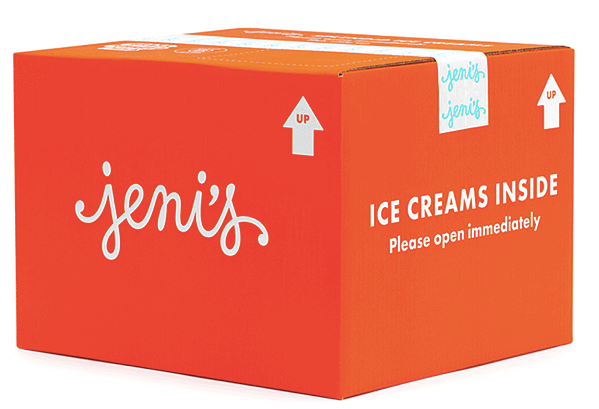
Another excellent example of packaging done right is Jeni’s ice cream. What’s great about its packaging is that it builds excitement for the customer with one sentence:
“Ice cream inside — please open immediately.”
Jeni’s unboxing experience shows they pay attention to detail; we can tell their customers love it based on the testimonials on their box page.
Seed Phytonutrients
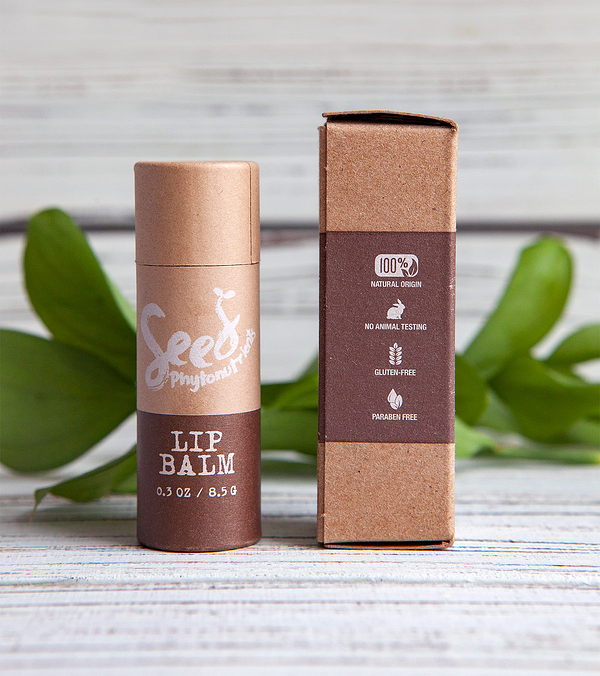
The goal of Seed Phytonutrients is to make natural body products that also respect the environment. They partner with American organic farmers to deliver the best products for their customers.
Their packaging does an excellent job of showcasing their eco-friendly values. Each of their packaging boxes and bottles is made of 100% recycled materials.
Seed Phytonutrients’ packaging shows that their actions are congruent with their values. They don’t just talk about respecting the environment — they’re actively doing it themselves.
Wrapping Up
Sometimes, it’s the little things that count. By focusing on creating an exceptional unboxing experience, you’ll make your brand stand out and leave customers hungry for more. Remember that branding isn’t the only thing to consider when creating packaging. If you want to turn packaging and shipping into an asset for your business, find out how eHub can help you today.